There is a particular kind of exhaustion that comes not from working too hard, but from performing too much.
It’s the tiredness of a day that was full but not fulfilling. Of back-to-back activity that somehow produced very little. Of being visibly, demonstrably busy — and still feeling, at the end of it, like you weren’t really there.
Most of us who work in corporate environments know this feeling well. Because most corporate environments — whether they intend to or not — reward the performance of productivity at least as much as they reward actual results. Being seen to be busy, being available, being responsive, being present in every meeting and every thread and every conversation at once: these are the visible signals of a good employee. And we learn, quickly, to produce them.
“Performing productivity is about looking like you’re working. Practicing presence is about actually being there.”
The difference sounds simple. But in practice, it runs very deep.
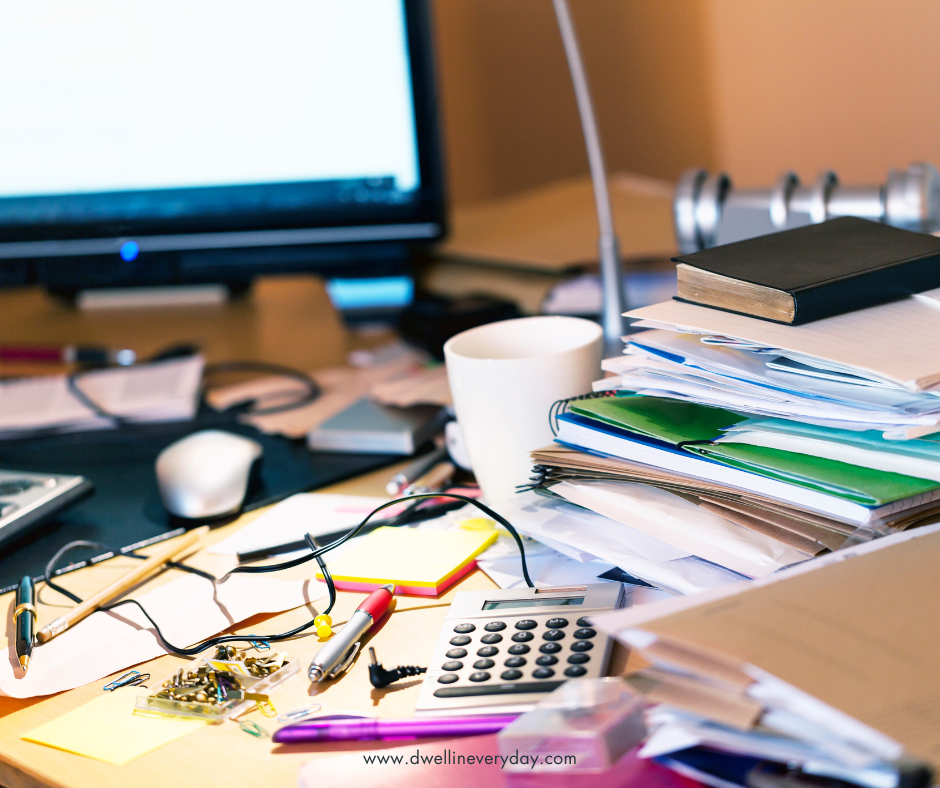
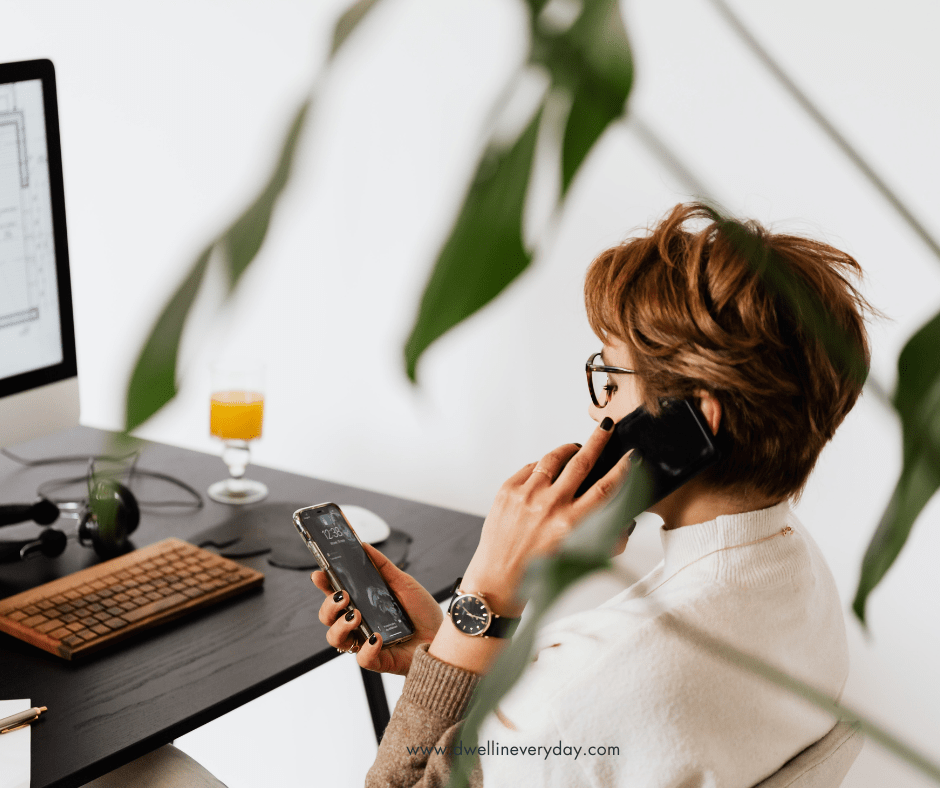
Performing productivity looks like: a calendar so packed there’s no white space. Email responses fired off within minutes regardless of whether they’re thoughtful. Multitasking as a default — half-listening in meetings while composing messages, half-reading documents while half-attending to something else. Movement without direction. Noise without signal.
Presence looks like something quieter. One task, finished. One conversation, actually listened to. One hour of real, focused work that moves something meaningfully forward. Not more activity — more intention. Not faster — deeper.
The research on this is unambiguous. Multitasking — the engine of performed productivity — doesn’t work the way we think it does. What we experience as doing two things simultaneously is actually rapid task-switching, and each switch carries a cognitive cost. Attention fragments. Quality drops. The sense of productivity is real; the actual productivity, often, is not.
Presence, by contrast, activates something different. When we give our full attention to a single thing — a problem, a person, a piece of work — the quality of our engagement changes completely. We think more clearly. We notice more. We produce work that reflects our actual capabilities rather than our divided attention.
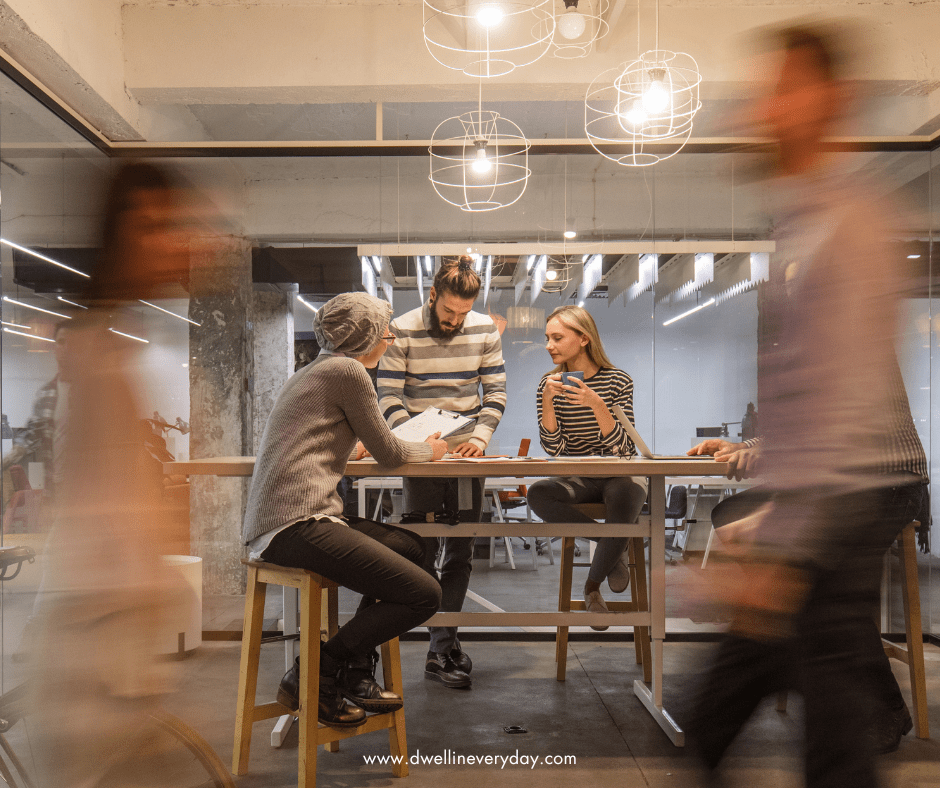
“Presence isn’t about doing less. It’s about being where you actually are — fully, genuinely, without one foot already somewhere else.”
So what does the shift from performance to presence actually look like in a corporate context?
It starts small. Closing the extra tabs before you begin a piece of work. Putting the phone face-down in a meeting and actually listening. Writing one focused email rather than five hasty ones. Taking five minutes before a conversation to clear your head and arrive properly.
It also requires something more uncomfortable: the willingness to look less busy. Because presence, by its nature, doesn’t perform well. A person sitting quietly and thinking deeply looks less productive than a person visibly multitasking. A focused hour of real work is invisible in a way that a full calendar is not. In cultures that reward visible busyness, choosing presence can feel almost transgressive.

But the results speak differently. The work produced from a place of genuine presence is almost always better — more considered, more accurate, more creative — than work produced in the fragmented, performative mode that corporate culture normalizes.
And perhaps more importantly: the experience of presence is simply better. To be genuinely absorbed in something, to feel your attention focused and your thinking clear, to arrive at the end of a day and know that you were actually there — that is a fundamentally different relationship with work than the one most of us are currently living.
It’s available to you. Not perfectly, not all at once, and not without the friction of unlearning the performance habits of years.
But one task at a time. One conversation at a time. One present moment at a time. 🌿
💬 Where do you find it hardest to be present at work — and what helps you get back there? I’d love to hear it in the comments.
If this resonated, share it with someone who might be caught in the performance trap. And if you’re new to Dwell in Everyday — welcome. We grow through what we go through, one present moment at a time. 🌱
I’m Rans ❤️

