In my years in the corporate world, I’ve learned that unlearning is just as important as learning something new. In fact, unlearning is a form of learning in itself — sometimes the harder one.
One thing I intentionally unlearned was reacting with anger during difficult conversations.
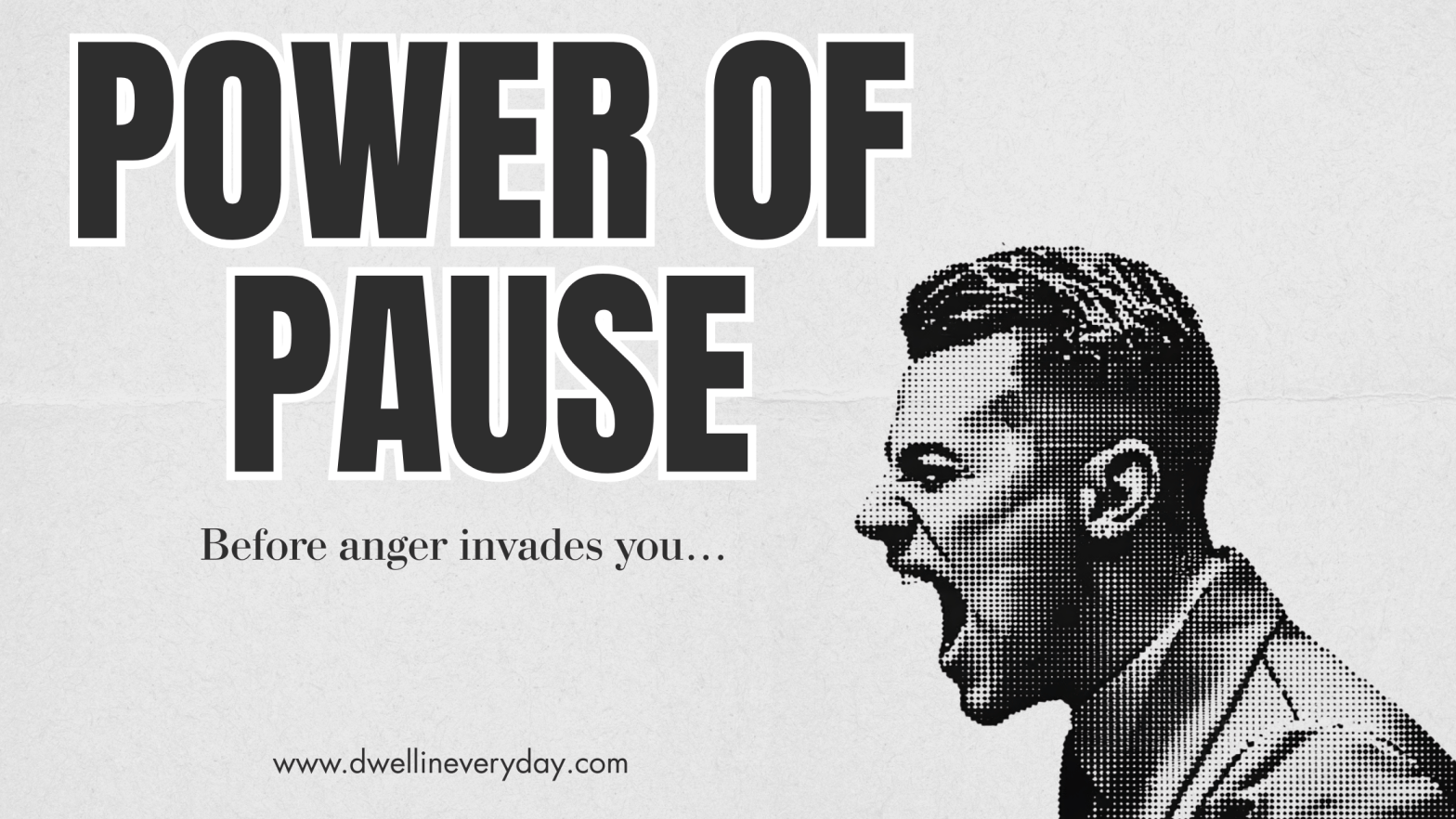
Anger is often the first emotion that rises when you’re dealing with someone who seems unfair, unreasonable, or simply unwilling to listen. It’s instinctive. Almost automatic. But somewhere along the way, I trained myself not to respond immediately with that emotion — no matter how loudly it demanded to be heard.

Instead, I listen. I let the other person finish speaking, completely, before I say a word.
That pause is powerful.
It gives you time to collect your thoughts, calm your emotions, and compose a response that is effective, professional, and difficult to argue against. It’s in that small window — the space between being provoked and choosing to respond — that you get to decide who’s actually speaking: you, or the emotion trying to speak for you.

Trust me, it works. Not because the anger disappears, but because you stop handing it the microphone.
Here’s what I’ve come to understand: do not argue while anger is still simmering inside you. Because at that moment, it’s no longer you speaking clearly — it’s emotion speaking on your behalf. And emotion, unlike you, doesn’t think about consequences. It doesn’t consider how the words will land, who’s in the room, or what version of you people will remember from that conversation. Sometimes the damage it does to your image cannot be undone, however sincere the apology that follows.

This doesn’t mean suppressing what you feel. Unlearning anger as a reflex isn’t about pretending you’re unaffected — it’s about choosing when and how you let it be known. There’s a real difference between reacting and responding. Reacting is instant, unfiltered, and driven by whatever emotion arrived first. Responding is deliberate. It’s shaped by the pause, refined by the listening, and delivered by the version of you that’s actually in control.

The people who leave the strongest impression in difficult conversations are rarely the loudest in the room. They’re the ones who stayed composed when they had every reason not to — who listened fully, paused deliberately, and spoke with a clarity that anger could never have produced.
It’s a skill, not a personality trait. And like any skill, it’s built one difficult conversation at a time.
Grow through what you go through 🌱

